 4 months ago
Understanding the Risks of Inactivity After 45
As people age, maintaining an active lifestyle becomes increasingly important to preserve joint health and overall mobility. For individuals over 45, inactivity can pose significant risks, particularly concerning knee pain. The knee joint, being one of the most complex and heavily used joints in the body, is vulnerable to the effects of sedentary behavior. Lack of exercise leads to muscle weakening, joint stiffness, and reduced lubrication, all of which contribute to discomfort and chronic pain.
When muscles around the knee weaken, they fail to provide adequate support to the joint. This lack of support increases the strain on the ligaments and cartilage, accelerating wear and tear. Additionally, inactivity can cause the synovial fluid, which lubricates the knee joint, to decrease in volume and effectiveness, leading to increased friction and stiffness. Over time, these factors can culminate in persistent knee pain and reduced function.
The Connection Between Inactivity and Knee Pain
Knee pain in middle-aged and older adults is often linked to osteoarthritis, a condition characterized by the breakdown of cartilage. While aging is a natural factor, inactivity accelerates the degeneration process. When muscles surrounding the knee weaken due to disuse, the joint experiences increased stress and instability. This can cause inflammation, swelling, and pain, limiting mobility and reducing quality of life.
Moreover, sedentary lifestyles contribute to weight gain, which places additional pressure on the knees. Excess weight exacerbates joint wear and tear, increasing the likelihood of developing chronic knee conditions. Therefore, inactivity not only weakens the muscles but also indirectly harms the knee through increased mechanical load.
In addition to osteoarthritis, inactivity can lead to other knee-related issues such as tendinitis and bursitis. These inflammatory conditions arise when the knee structures are overburdened or improperly supported, often due to muscle weakness and poor joint mechanics. Without intervention, these problems can become chronic and severely limit daily activities.
Simple Movements to Relieve Knee Pain
Fortunately, incorporating simple movements and exercises into daily routines can significantly alleviate knee pain and improve joint function. Here are some recommended activities:
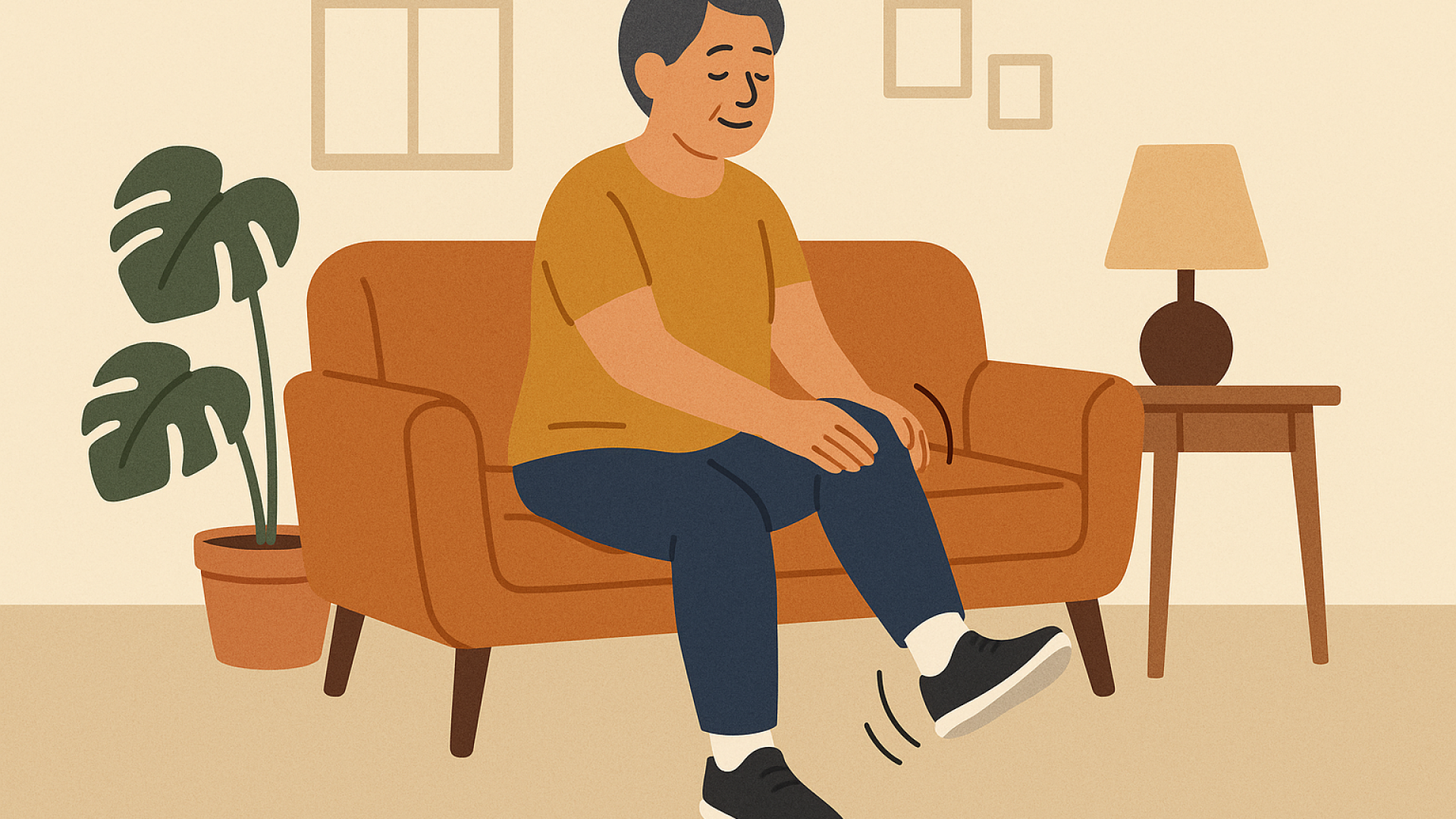
- Quadriceps Strengthening: Exercises like straight leg raises help build the muscles in the front of the thigh, providing better knee support. Strong quadriceps reduce the load on the knee joint and improve stability.
- Hamstring Stretches: Stretching the muscles at the back of the thigh reduces tension around the knee joint. Flexible hamstrings help maintain proper knee alignment and prevent strain.
- Low-Impact Aerobic Activities: Walking, swimming, or cycling improve cardiovascular health without putting excessive strain on the knees. These activities promote joint lubrication and overall fitness.
- Range of Motion Exercises: Gentle knee bends and extensions maintain joint flexibility and reduce stiffness. Regular movement prevents the joint from becoming rigid and painful.
Consistency is key. Starting with short sessions and gradually increasing intensity helps prevent injury and encourages long-term adherence. It is also beneficial to perform these exercises under the guidance of a physical therapist or healthcare professional, especially for those with existing knee problems.
Additional Lifestyle Changes for Knee Health
Beyond exercise, several lifestyle adjustments can support knee health for those over 45:
- Weight Management: Maintaining a healthy weight reduces stress on the knees. Even modest weight loss can significantly decrease knee pain and improve function.
- Proper Footwear: Wearing supportive shoes helps distribute weight evenly and improves alignment. Avoiding high heels and unsupportive footwear can prevent additional knee strain.
- Balanced Diet: Nutrient-rich foods support joint health and reduce inflammation. Diets rich in omega-3 fatty acids, antioxidants, and vitamins such as D and C can promote cartilage repair and reduce pain.
- Regular Check-Ups: Consulting healthcare providers for personalized advice and early intervention is crucial. Early diagnosis and treatment of knee issues can prevent progression and improve outcomes.
Conclusion
Inactivity after the age of 45 can significantly contribute to knee pain and joint problems, but it is a modifiable risk factor. By understanding the connection between sedentary behavior and knee health, individuals can take proactive steps to incorporate simple exercises and lifestyle changes. These measures not only relieve pain but also enhance mobility and quality of life, allowing people to remain active and independent as they age. Embracing an active lifestyle, combined with mindful habits, can help protect knee health and ensure long-term well-being.